When Sylvie welcomed a silent nine-year-old boy into her home, she never expected him to speak. But over time, something deeper formed between them—built through quiet moments, gentle care, and a love that never asked for anything in return. Until one day, in a courtroom, he finally found his voice.

I didn’t say yes because I believed I could fix him.
I said yes because my house had been too quiet for too long—and I knew what that kind of silence felt like.
His silence, though, was different. It felt observant, guarded… almost haunted.
Mine came from grief. His came from something I wasn’t supposed to ask about.
“He’s nine,” the social worker said, pausing just long enough for the words to settle. “He doesn’t talk, Sylvie. Not at all. And to be honest… most families pass.”
“I’m not most families, Estella,” I replied.
I didn’t need noise. I needed someone who understood silence—and someone who could be loved through it.
After three miscarriages and a husband who said he “couldn’t keep hoping for something that never came,” I had learned how to live with emptiness.
When he left, he took my expectations—but not my ability to love.
That remained.
And eventually… it needed somewhere to go.
The decision didn’t happen overnight.
I began volunteering—reading to children at the library, packing food for shelters. I told myself I was just keeping busy. But one afternoon, I found myself holding a little boy’s forgotten jacket—and I couldn’t bring myself to let it go.
That was when I knew.
A week later, I submitted the paperwork.
The process moved slowly—training sessions, background checks—but when the binder finally arrived in the mail, thick with possibility, I held it to my chest like it had a heartbeat.
“All you have to do now is wait,” I told myself in the mirror. “Your little one will come, Sylvie.”
So when they called about a boy no one wanted… I said yes without hesitation.
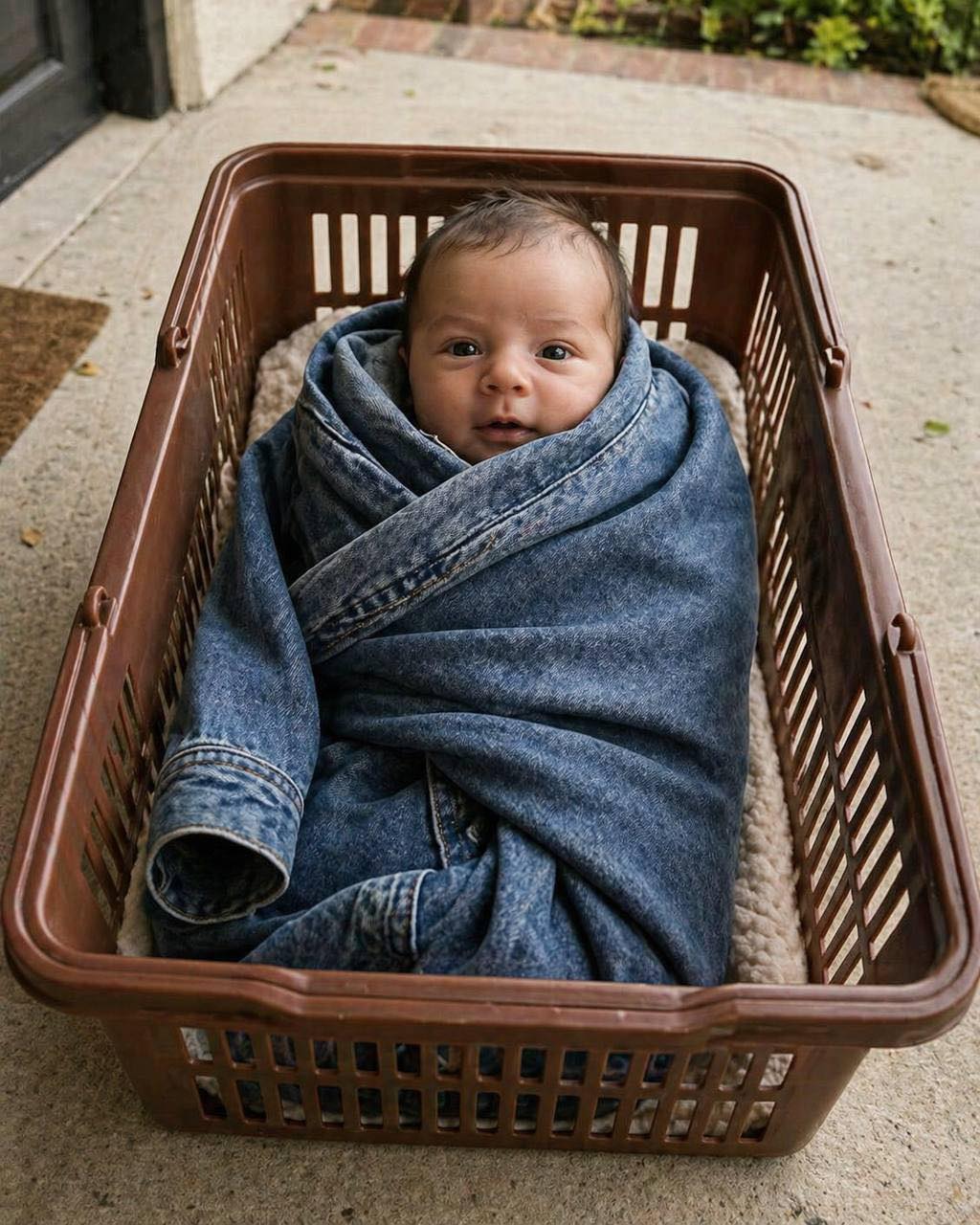
Alan arrived carrying a small backpack and eyes that made people uneasy.
He didn’t cry. He didn’t flinch.
He simply stood in the doorway, scanning the room as if memorizing every exit.
“Hi, sweetheart,” I said softly, extending my hand. “Hi, Alan. I’m Sylvie.”
He didn’t take it.
Instead, he walked past me and quietly sat at the edge of the couch.
I offered him hot cocoa and cookies. He gave a faint nod.
And that was how it began.
That first night, I read to him.
He didn’t look at me—but he didn’t walk away either.
That was enough.
I never pushed him to speak. I just lived beside him, leaving room for words if they ever came.
I packed his lunches with handwritten notes. Sometimes they were silly—like squirrels stealing my tomatoes. Other times, they were simple and sincere:
“I’m proud of you, sweetheart.”
“You’re doing great, Alan.”
“You’re the light I’ve always dreamed about.”
For weeks, the notes came back crumpled—or didn’t return at all.
Then one day, I found one neatly folded on the kitchen counter.
The paper was smooth, untouched.
He had kept it.
“He saved it,” I whispered, tears filling my eyes.
I filled the house with small stories while I cooked—about the time I broke my ankle chasing a kitten, or when I tried to bleach my hair and ended up with bright orange roots.
“It was awful, honey! I looked ridiculous—I couldn’t show my face for a week!”
He never responded.
But sometimes… his shoulders would tremble slightly, like he was quietly laughing.
I pointed out the little things—birds nesting on the porch, shapes in the clouds, songs that reminded me of my mother.
His silence never felt like rejection.
It felt like someone listening—learning what it meant to feel safe.
Over time, he began sitting closer during storytime.
Then he started waiting by the door when I picked up my keys.
If I forgot my scarf, he would hand it to me—without saying a word.
One winter, I got sick.
When I woke up, groggy and aching, there was a glass of water beside my bed… and a folded note.
“For when you wake up.”
That was when I realized something had changed.
He was taking care of me, too.
Years passed.
Alan turned twelve… then thirteen.
The house felt warmer—less silent.
He hummed softly while doing chores.
Once, when I sang terribly off-key to Aretha Franklin, he smiled.
That smile opened something inside me.
For the first time, I knew—I wasn’t just loving him.
He loved me too.
People still asked questions.
“He still doesn’t talk?”
“Isn’t he too old now?”
“Is something wrong with him? Shouldn’t you get help?”
I always smiled.
“He’ll speak when he’s ready,” I said. “He just needs to feel loved. And he needs to stay.”
And every day… he stayed.
By fourteen, Alan was taller than me.
He quietly reached things I couldn’t, fixed small problems around the house—never saying a word.
But I knew.
He was mine.
Even if the paperwork didn’t say it yet.
The week before his birthday, I filled out the adoption forms.
When I told him, I didn’t ask.
“If you want me to make it official, sweetheart, I will. You don’t have to say anything—just nod.”
He looked at me for a long moment.
Then he nodded once.
The morning of the hearing, he barely ate.
His hands kept folding his napkin into smaller and smaller squares.
“You’re not being sent back,” I told him gently. “That’s not what this is.”
He didn’t look up.
“Alan, you’re mine. Nothing changes today—except the paperwork.”
He met my eyes for just a second… then nodded again.
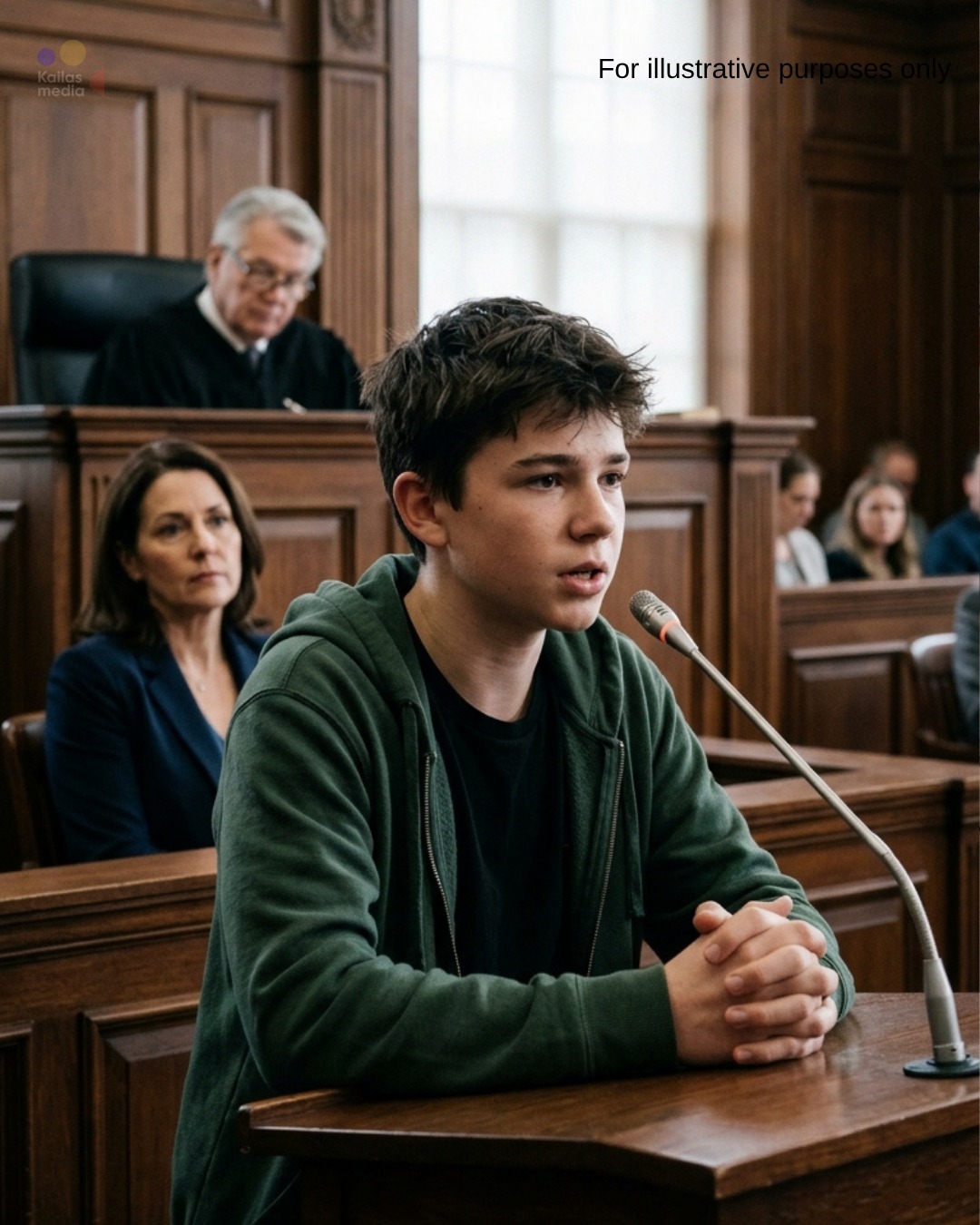
The courtroom felt cold and too bright.
Judge Brenner sat at the front, kind-faced, his glasses slipping down his nose.
Estella sat beside us.
“Alan,” the judge said gently, “you don’t have to speak. You can nod, shake your head, or write if you prefer. Do you understand?”
Alan nodded.
“Do you want Sylvie to adopt you? Do you want her to be your mother, legally?”
Alan didn’t move.
The silence stretched.
Too long.
My chest tightened.
Did he… not want me?
His shoulders stiffened, hands clenched together.
Then—he moved.
He shifted slowly… and cleared his throat.
The sound was rough in the stillness.
And then—
He spoke.
“Before I answer… I want to say something.”
The room leaned in.
“When I was seven, my mom left me at a grocery store. She said she’d come back. I waited… until it got late. I was hungry, so I ate a cracker I found. That’s when the owner called the police.”
His hands tightened.
“I got moved around a lot after that. One family said I was creepy. Another said I was too old. The third didn’t even learn my name.”
He looked up.
“When Sylvie took me in, I didn’t trust her. I thought she’d leave me too. But she didn’t.”
His voice trembled.
“She made me cocoa. She read to me. She left me notes. She let me be quiet… until I felt safe.”
He looked at me fully.
“She never forced me to speak. She stayed.”
My lips trembled.
“I didn’t talk,” he continued softly, “because I thought if I said the wrong thing… she’d send me away too.”
Tears blurred my vision.
“But I want her to adopt me. Not because I need someone… but because she’s already been my mom.”
Estella let out a sob.
Judge Brenner smiled gently.
“Well then,” he said, “I think we have our answer.”
Outside, the air felt warmer.
My hands shook as I tried to fix my shoe strap.
Alan walked around the car, pulled a tissue from his pocket, and handed it to me.
“Thank you, sweetheart,” I said.
“You’re welcome, Mom.”
It was only the second time I had ever heard him speak.
But the certainty in his voice told me everything.
He wasn’t hiding anymore.
That night, I made his favorite dinner.
He sat close, finishing everything on his plate.
At bedtime, I reached for the old book I had been reading to him for years.
But before I could open it, he touched my hand.
“Can I read tonight?” he asked.
I handed him the book, holding back tears.
He turned the pages carefully… and began reading.
In the end, I didn’t need to hear “I love you.”
I only needed to know I had built a home—one he chose to stay in.