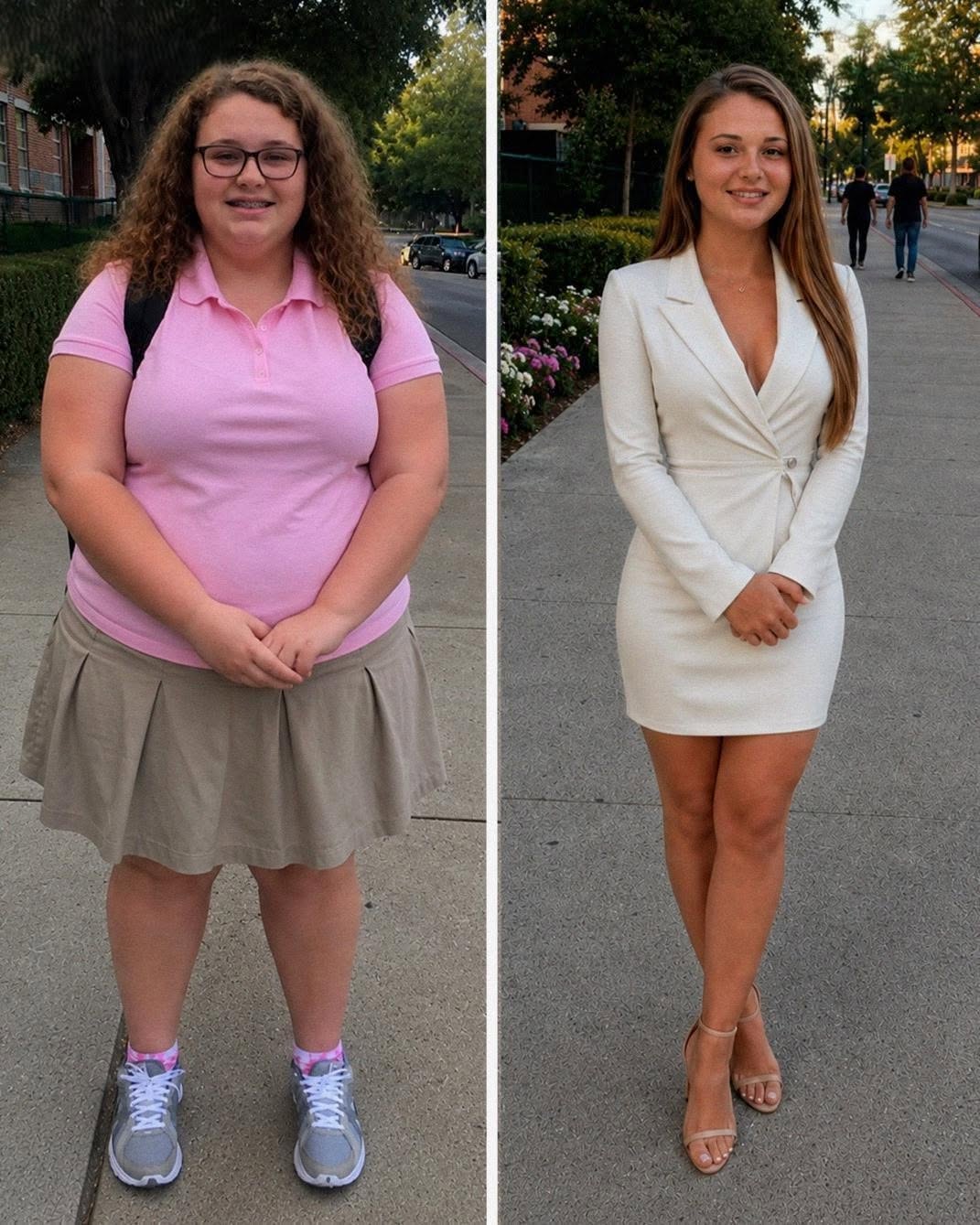
I almost didn’t go. Ten years of silence, ten years of pretending those hallways no longer lived under my skin. Then I walked into that ballroom in a red dress… and vanished in plain sight. No one recognized me. Not the girls who named my shame. Not the classmates who laughed. Not even the one who turned my worst moment into a hallway video that refused…
I didn’t realize how much of that school I still carried until I stood in front of a hotel mirror, clutching a black cardigan like a shield. My mother’s voice cut through the old fear, naming it for what it was: armor. The woman I’d become in Chicago—confident, respected, loved—felt miles away from the girl who once memorized which hallways were safe. Yet the moment I stepped into that ballroom in red, the past and present collided.
Being unrecognizable hurt at first. Then it became proof. They’d never really seen me, only the target they’d agreed upon. When Madison’s cruel “Evangelina” hallway video appeared on the screen, the room watched my humiliation; I watched my younger self. I didn’t choose revenge. I chose truth. I asked them to stop calling cruelty nostalgia and walked away without needing their approval. That night, I finally understood: healing wasn’t becoming untouchable. It was refusing to disappear, even when they did.